

Built to last for over 200 years
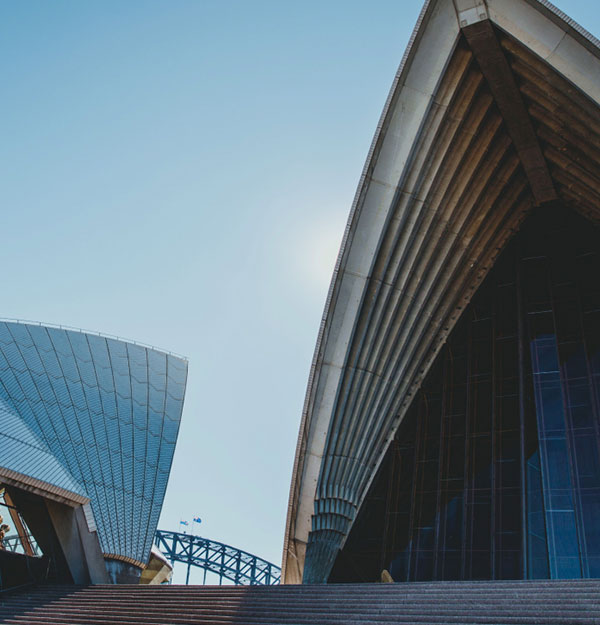
Experience durability as long-standing as the Lotus Temple (India), or the Sydney Opera House (Australia) through iSTEEL Zinc Galvanised TMT bars. Our Zinc bars ensure your buildings go beyond generations.



Trusted Globally
From the Longbird Bridge in Bermuda to the Lotus Temple in New Delhi, galvanised rebars have proven their effectiveness. Landmark structures like the Burj Khalifa and the Brooklyn Bridge benefit from galvanised steel’s durability and longevity.





Versatile
Applications
Versatile Applications
-
 Coastal & Marine Environments
Examples: Shipping docks, in-sea oil platforms.
These structures face extreme tidal fluctuations, saline environments, and constant exposure to moisture, making them highly prone to corrosive reactions. Zinc-coated rebar provides robust protection, extending the lifespan of critical marine infrastructure.
-
 Industrial Structures
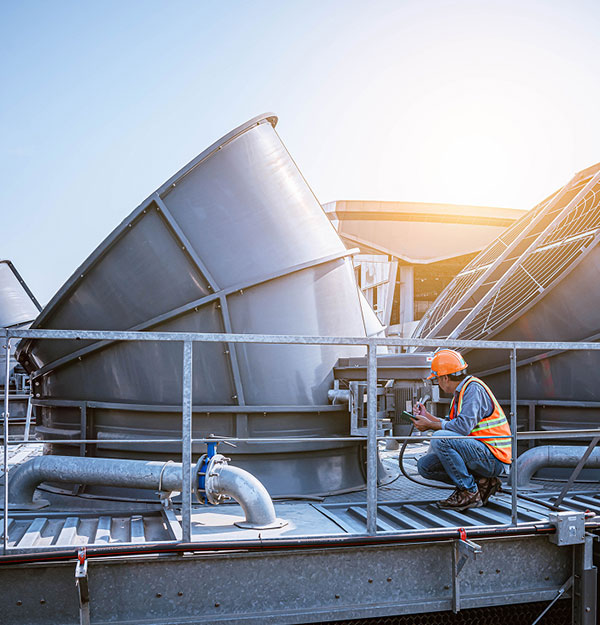
Examples: Factory cooling towers, chimneys, storage tanks, water tanks at sewage treatment plants, chemical processing plants.
Why Zinc: Industrial environments often involve harsh chemicals, high humidity, and temperature fluctuations. Zinc’s superior corrosion resistance ensures the durability and stability of structures in these demanding conditions.
-
 Urban Infrastructure
Examples: Crash pads for highway bridges, bridges in urban areas.
Why Zinc: Urban infrastructure is exposed to pollutants, de-icing salts, and continuous stress from traffic. Zinc-coated rebar adds resilience, reducing maintenance and ensuring relative safety of vehicles that get into accidents.
-
 Cultural Buildings
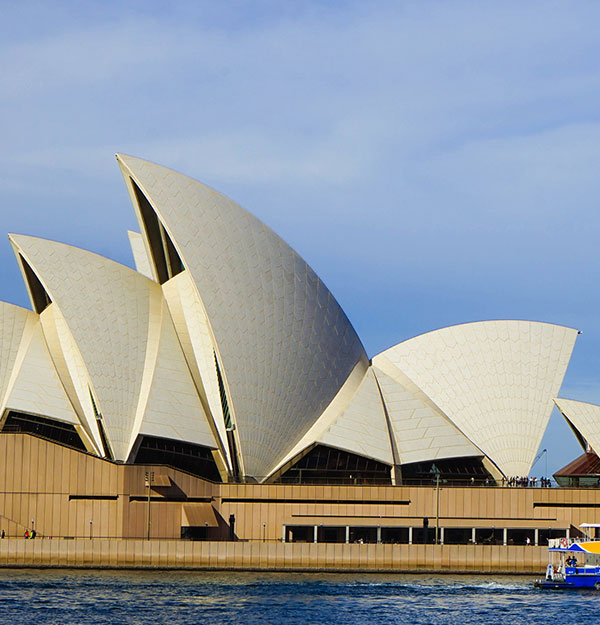
Examples: Lotus Temple in Delhi, Sydney Opera House.
Iconic buildings require materials that preserve both aesthetic and structural integrity. Zinc-coated rebar protects against corrosion from environmental factors, ensuring the longevity of these monumental buildings.
-
 Residential Structures
Examples: Homes near water bodies, water tanks, overhead tanks, swimming pools.
Constant exposure to moisture can lead to steel corrosion in residential structures. The Zinc-coating in the rebar acts as a protective barrier, ensuring the strength and durability of homes and water storage systems.
Why use iSteel’s Zinc coated rebar?
-

Superior Corrosion & Wear Resistance
Our zinc-coated rebar provides a durable protective layer, ensuring resistance in harsh environments like marine or industrial settings, and withstands rough handling during transportation and construction.
-

Dual Protection
The zinc coating offers dual protection by forming a strong metallurgical bond with the steel, sacrificially corroding to protect it if the coating is breached.
-

Long-Lasting, Durable, & Cost-Effective
iSTEEL zinc-coated rebar promises a long, maintenance-free life with minimal need for repairs. Its metallurgical bond guarantees stability and durability under various environmental stresses, making it the most economical corrosion protection solution on a life cycle cost basis.
-

Versatility & Weldability
Our zinc-coated rebar is available in various sizes and shapes, making it suitable for a wide range of construction applications. It maintains its weldability, with recommended touch-ups post-welding to ensure continued corrosion resistance.
Process of Zinc Galvanisation
-
Cleaning Surface Preparation

1
Cleaning
Dirt, paint, grease, and oil cleaned using alkali solution while other contaminants are sand blasted & gritted.
-
Cleaning Surface Preparation

2
Rinsing
The bars are thoroughly rinsed with water.
-
Cleaning Surface Preparation
3
Pickling
Steel is immersed in dilute hydrochloric or sulphuric acid to remove oxides and mill scale.
-
Cleaning Surface Preparation
4
Rinsing
The bars are thoroughly rinsed again with water.
-
5
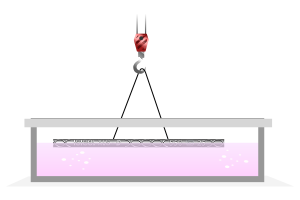
Deoxidation
Steel is deoxidised and coated with a protective layer using a mildly acidic flux solution.
-

6
Drying
The fluxed steel is dried in a controlled furnace or drying chamber to remove all moisture before immersion in the zinc bath.
-
7
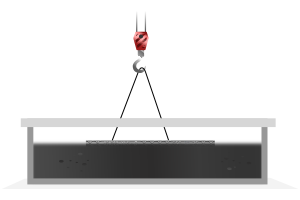
Hot dip galvanisation
Steel is dipped in a kettle containing at least 98% pure zinc heated to 820-860°F (438-460°C) until the diffusion reaction completes.
-
8
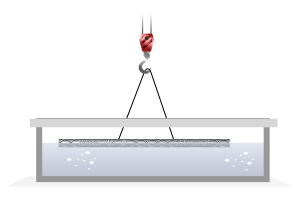
Quenching
Steel is quenched in a water tank and chemicals are added to enhance the galvanised coating's protection during storage and transportation.
-
9
Dichromating
The hot dipped galvanised layer of zinc is covered with chromate post-treatment.
-

10
Inspection
The bars are quality checked for uniform distribution of the zinc coating over them.
The promise of a lifetime.


Expanded Lifespan

Environment Protection

Lower Total Cost of Ownership

Superior Corrosion Resistance
Putting it to the test: iSteel Zinc Rebars


Zinc Coating Weight
- Result: Minimum Zinc Coating as per IS 12594 – 610 GSM or 85 Microns.
- iSTEEL Zinc Galvanised XLS TMT Bars: 650 GSM or 90 Microns.

Corrosion Resistance Comparison (Chloride Threshold)
- Uncoated Rebar: 0.95 kg/m³ of concrete
- Zinc-Coated Rebar: 3.80 kg/m³ of concrete

Life Expectancy (Service Life in Chloride-Rich Environments)
- Uncoated Rebar: Initiation period 2.2 years, Propagation period 6.8 years.
- Zinc-Coated Rebar: Initiation period 20.3 years, Propagation period 24.8 years, Repair life 25 years.
-

Zinc Coating Weight
- Result: Minimum Zinc Coating as per IS 12594 – 610 GSM or 85 Microns.
- iSTEEL Zinc Galvanised XLS TMT Bars: 650 GSM or 90 Microns.
-

Corrosion Resistance Comparison (Chloride Threshold)
- Uncoated Rebar: 0.95 kg/m³ of concrete
- Zinc-Coated Rebar: 3.80 kg/m³ of concrete
-

Life Expectancy (Service Life in Chloride-Rich Environments)
- Uncoated Rebar: Initiation period 2.2 years, Propagation period 6.8 years.
- Zinc-Coated Rebar: Initiation period 20.3 years, Propagation period 24.8 years, Repair life 25 years.
Explore the possibilities with iSTEEL ZiNC
